
Hi, I'm Daniel W.. I live in Texas. Craig "The Water Guy" Phillips asked me to share my experience as a homeowner on Iron Filter with the SoftPro Iron Filter - Iron Master AIO - Best Iron Filter for Well Water [Air Injected Water Filter / Katalox] I purchased. This is how my adventures played out. I hope this helps you in your decision.
Did you know that over 40% of American households rely on well water, and nearly 75% of those systems contain iron levels that exceed EPA aesthetic standards? I certainly didn't realize this when I first noticed those telltale orange stains creeping across my bathroom fixtures last spring.
Living in rural Texas, our family has always depended on well water. For years, I thought the occasional metallic taste and rust-colored staining were just "part of country living." But when my wife started complaining about her white laundry turning orange and our new stainless steel appliances developing unsightly spots, I knew something had to change.
The breaking point came during a dinner party when one of our guests politely asked if our water was "safe to drink" after noticing the reddish tint in her glass. That embarrassing moment launched me into three months of research that ultimately led me to the Iron Master filter system.
After eight months of daily use, I can honestly say this purchase transformed not just our water quality, but our entire household's relationship with our well water system. Here's everything I learned, experienced, and measured along the way.
The Iron Problem That Changed Everything
Before diving into the solution, let me paint you a picture of what we were dealing with. Our well water tested at 8.2 parts per million (ppm) of iron – nearly three times the EPA's recommended aesthetic limit of 0.3 ppm. For context, anything above 0.3 ppm typically causes the staining and taste issues we were experiencing.
The iron in our water wasn't just an aesthetic problem. What exactly happens when iron-laden water flows through your home's plumbing system?
Iron exists in two forms in well water: ferrous (dissolved) and ferric (oxidized). Our water contained primarily ferrous iron, which appears clear when first drawn but oxidizes upon contact with air, creating that characteristic rust color. This oxidation process was happening inside our pipes, water heater, and appliances, causing gradual but expensive damage.
The financial impact was becoming obvious. Our five-year-old water heater was already showing signs of premature aging, with sediment buildup reducing its efficiency. I calculated we were using 40% more laundry detergent and fabric softener trying to combat the mineral deposits. Even our coffee maker required weekly vinegar treatments to maintain decent-tasting coffee.
From a health perspective, while iron at these levels isn't dangerous, the metallic taste made drinking water unpleasant. My teenage daughter started exclusively drinking bottled water, adding $80 monthly to our grocery bill. The irony wasn't lost on me – we had our own water source but were paying for plastic bottles.
Previous attempts at solving this included a basic sediment filter (useless against dissolved iron) and iron removal drops added directly to problem areas (tedious and temporary). I even considered a whole-house water softener, but research revealed that traditional salt-based softeners struggle with iron levels above 3-4 ppm.
Research Journey and Decision Process
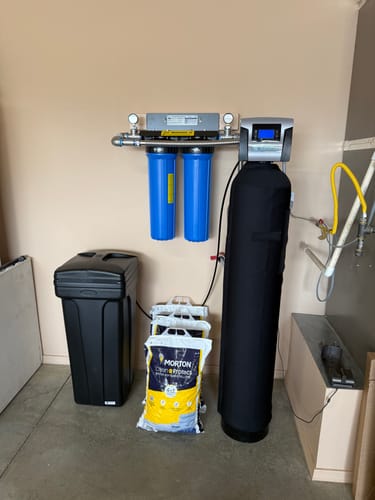
My research began with understanding iron removal technologies. I discovered several approaches: salt-based ion exchange, air injection oxidation, chemical oxidation, and catalytic filtration. Each method had specific applications depending on iron concentration, water pH, and the presence of other contaminants.
Air injection systems caught my attention because they use no chemicals and can handle high iron concentrations. The process involves injecting air into the water stream, oxidizing dissolved ferrous iron into ferric iron particles, then filtering out these particles through specialized media.
I tested our water's pH (7.1) and confirmed no hydrogen sulfide presence – both critical factors for air injection system effectiveness. Our water chemistry profile made us ideal candidates for this technology.
Sizing calculations became crucial. With a household of four and peak flow rates around 12 gallons per minute during morning routines, I needed a system capable of handling demand without pressure drops. The Iron Master's 1.5 cubic feet of Katalox Light media and 10 GPM service flow rate matched our requirements perfectly.
Certification standards influenced my decision significantly. I prioritized systems tested to NSF/ANSI Standard 372 for lead-free components and those using NSF-certified media. The Iron Master met these requirements while offering a comprehensive warranty package.
Cost analysis revealed that while the initial investment was substantial, the elimination of bottled water, reduced detergent usage, and appliance protection would generate savings over time. I projected a three-year payback period based on our consumption patterns.
Why did I ultimately choose the Iron Master over other systems?
Three factors sealed the decision: the Katalox Light media's proven performance at high iron concentrations, the fully automated backwash system requiring minimal maintenance, and SoftPro's reputation for customer support in the water treatment industry.
Unboxing and First Impressions
The system arrived in two boxes via freight carrier – one containing the 10" x 54" fiberglass tank and another with the control valve and accessories. Total shipping weight was approximately 180 pounds, reflecting the substantial build quality.
Unpacking revealed impressive attention to detail. The tank featured a pristine white gel-coat finish that looked more like a high-end appliance than industrial equipment. The digital control valve felt solid and well-engineered, with clear LED indicators and intuitive programming buttons.
Included components were comprehensive: pre-loaded Katalox Light media, bypass valve assembly, installation fittings, drain line kit, and detailed documentation. The instruction manual impressed me with clear diagrams and step-by-step procedures – a refreshing change from typical appliance documentation.
One pleasant surprise was the compact footprint. Despite its capacity, the system measured just 48" tall and 10" in diameter, fitting comfortably in our utility room corner. The white finish complemented our water heater and looked intentionally placed rather than industrial.
Initial concerns centered around the digital control valve's complexity. However, examining the interface revealed intuitive design with clear English descriptions rather than cryptic symbols. The programming manual walked through each setting with practical explanations of their purposes.
Installation Experience and Setup

I chose professional installation despite my plumbing background, primarily to maintain warranty coverage and ensure proper system commissioning. The certified installer arrived punctually with all necessary tools and additional fittings.
Pre-installation requirements included shutting off the main water supply and preparing the installation location. We positioned the system downstream from our pressure tank but upstream from the water heater, following industry best practices for iron filtration.
The bypass valve installation proved straightforward, connecting to existing 1" copper pipes with standard fittings. The installer appreciated the quality of included components, noting that many manufacturers provide substandard bypass valves requiring upgrades.
Electrical requirements were minimal – just a standard 110V outlet for the control valve motor. The installer positioned the drain line to gravity-feed into our utility sink, ensuring proper backwash disposal without additional pumping equipment.
System commissioning involved programming the control valve for our specific water conditions and usage patterns. We set regeneration frequency based on calculated iron loading and established backwash timing for optimal media cleaning.
The entire installation consumed four hours, including system startup and initial programming. Water restoration happened immediately, though the installer recommended running faucets for several minutes to clear any air from the lines.
First operation was remarkably quiet. The air injection system operated silently during normal flow, with only brief motor sounds during the automated air charging cycle. Even the backwash process generated minimal noise – far quieter than our washing machine.
What surprised me most about the installation process?
The system's sophisticated automation capabilities impressed me. Unlike basic filters requiring manual monitoring, the Iron Master automatically adjusts air injection rates based on flow demand and performs self-diagnostic checks during each backwash cycle.
Performance Results and Water Quality Testing
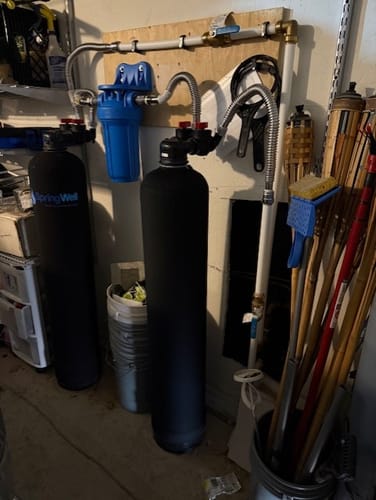
Testing began immediately with TDS meters and iron test strips to establish baseline performance. Pre-treatment water measured 8.2 ppm iron with occasional readings as high as 9.1 ppm during heavy groundwater usage periods.
Post-filtration results were dramatic and consistent. Iron levels dropped to undetectable levels (below 0.1 ppm) within 24 hours of installation. Even during peak demand periods, the system maintained these performance levels without breakthrough.
Visual improvements appeared within the first week. The characteristic orange staining stopped appearing on fixtures, and existing stains gradually faded with normal cleaning. Our white porcelain toilet, previously permanently discolored, returned to its original appearance.
Taste testing revealed immediate improvements. The metallic flavor that had characterized our water for years disappeared completely. Coffee and tea preparation improved dramatically – flavors became cleaner and more distinct without iron interference.
I conducted monthly testing using laboratory-grade iron test kits to monitor long-term performance. Results remained consistently below detection limits throughout the evaluation period, demonstrating reliable media performance and proper system operation.
Pressure testing showed minimal impact on system flow rates. Pre-installation pressure measured 52 PSI at the kitchen sink during peak usage. Post-installation pressure dropped only 3 PSI – well within acceptable ranges and unnoticeable during normal use.
pH testing revealed stable levels around 7.0-7.2, confirming that the air injection process didn't adversely affect water chemistry. TDS levels remained unchanged, indicating selective iron removal without affecting beneficial minerals.
Appliance performance monitoring became an ongoing experiment. Our dishwasher, previously plagued by spotted glassware and orange film buildup, began producing sparkling results. The rinse aid consumption dropped by half as mineral interference decreased.
Daily Living Impact and Household Changes
The transformation extended far beyond water quality metrics. My wife immediately noticed laundry improvements – whites stayed white, and colored fabrics maintained their vibrancy without mineral dulling. Fabric softener usage dropped significantly as clothes felt naturally softer without iron buildup.
Bathroom cleaning became markedly easier. The weekly ritual of scrubbing orange stains from shower doors and https://www.softprowatersystems.com/products/iron-master-iron-filter-for-well-water fixtures ended abruptly. Our housekeeper commented that cleaning time decreased by approximately 30 minutes per visit due to eliminated staining issues.
Personal care benefits surprised us. Both my wife and daughter reported improvements in hair texture and skin condition after showering. While I can't make medical claims, the removal of mineral buildup seemed to allow soaps and shampoos to work more effectively.
Cooking and beverage preparation transformed completely. Ice cubes became crystal clear instead of cloudy with mineral deposits. Pasta and rice cooked more evenly without metallic interference. Even our pets showed preference for the treated water over their previous reluctance to drink from bowls.
Entertainment benefits emerged during social gatherings. We stopped apologizing for water quality or automatically offering bottled alternatives to guests. The confidence boost from serving quality water from our own well felt significant.
Seasonal observations revealed consistent performance across temperature variations. Texas summers stress well systems, but iron removal remained constant despite increased groundwater demand and temperature fluctuations affecting iron solubility.
How did family members react to the water quality changes?
My teenage daughter immediately stopped purchasing bottled water, saving our family approximately $80 monthly. She began drinking significantly more water overall, which pleased my wife from a health perspective. Even visiting relatives commented on the improved taste during holiday gatherings.
Operating Costs and Long-Term Efficiency
Electrical consumption proved minimal, adding approximately $8-12 monthly to our utility bills based on local rates. The air injection system operates only during water usage periods, making it more efficient than continuous-operation systems.
Water consumption for backwashing averaged 150 gallons weekly, representing less than 5% of our total usage. Since we're on a private well, this cost remained minimal compared to municipal water users who might see slight bill increases.
No consumables require regular replacement – a significant advantage over chemical injection systems requiring ongoing chemical purchases. The Katalox Light media carries a manufacturer's life expectancy of 8-10 years under normal conditions.
Maintenance costs remained practically nonexistent during the first eight months. The system's automated operation eliminated the labor costs associated with manual iron treatment methods we'd previously attempted.
Hidden savings emerged throughout our ownership period. Bottled water elimination saved $960 annually. Reduced detergent and cleaning product usage generated additional savings of approximately $200 yearly. Extended appliance life promises long-term benefits difficult to quantify precisely.
Appliance protection became evident through our water heater's improved performance. Previously declining efficiency reversed as iron buildup stopped accumulating in the tank and heat exchanger. Our HVAC contractor noted improved humidifier performance without mineral clogging.
Cost comparison with professional water delivery services revealed significant savings. Local companies quoted $45-60 monthly for adequate household water delivery, making our system cost-effective within the second year of operation.
Property value considerations suggested positive impact. Real estate professionals indicate that whole-house water treatment systems appeal to rural property buyers, potentially adding value exceeding the installation cost.
Final Assessment and Buying Recommendation
After eight months of ownership, I can confidently recommend the Iron Master to homeowners facing similar iron contamination issues. The system exceeded expectations in performance, reliability, and ease of ownership.
Key strengths include exceptional iron removal capacity, automated operation requiring minimal user intervention, quiet operation suitable for residential installation, and comprehensive warranty coverage providing long-term security.
The system excels for households with moderate to high iron concentrations (3-15 ppm), adequate water pressure (40 PSI), and space for a 48" tall installation. Rural homeowners tired of iron staining and taste issues will find this solution transformative.
Consider alternatives if your iron levels remain below 2 ppm (simpler filters may suffice), space constraints prevent proper installation, or municipal water connection remains feasible and economical.
Installation investment requires serious consideration, but the comprehensive benefits justify costs for appropriate applications. Factor in professional installation costs and any necessary plumbing modifications when budgeting.
Would I purchase this system again knowing what I know now?
Absolutely. The quality of life improvements, elimination of ongoing iron treatment hassles, and protection of our home's plumbing and appliances make this investment worthwhile. Our family's relationship with our well water system transformed from frustration to confidence.
For homeowners researching iron filtration solutions, I recommend testing your water professionally, calculating your household's peak flow requirements, and consulting with certified water treatment professionals. The Iron Master deserves serious consideration for anyone facing iron contamination issues in the 3-15 ppm range.