
Hi, I'm Deborah H. I live in Utah. Craig "The Water Guy" Phillips asked me to share my experience as a homeowner with the SoftPro Iron Filter - Iron Master AIO - Best Iron Filter for Well Water [Air Injected Water Filter / Katalox] I purchased. This is how my adventures played out. I hope this helps you in your decision.
When I first installed the Iron Master filter system, I honestly had no idea what to expect. After years of dealing with rusty, metallic-tasting well water that left orange stains on everything it touched, I was desperate for a solution that actually worked. What I discovered over the past month of real-world use has completely transformed my relationship with our home's water supply.
The journey to finding this filter wasn't simple. I'd tried pitcher filters, under-sink systems, and even expensive whole-house units that promised the world but delivered disappointing results. Each failed attempt left me more frustrated and skeptical about whether any system could truly handle the iron-rich water from our 180-foot well.
The Iron Problem That Nearly Broke My Spirit
Living in rural Utah with well water means dealing with nature's mineral cocktail whether you like it or not. Our water tested at 4.2 parts per million (PPM) of iron – well above the EPA's recommended 0.3 PPM secondary standard. But numbers don't tell the whole story of how this affected our daily lives.
Every morning, I'd wake up to rust-colored water flowing from our kitchen faucet for the first thirty seconds. Our white porcelain sinks had developed permanent orange streaks that no amount of scrubbing could remove. The toilet bowls required weekly bleach treatments to combat the rusty ring that formed around the waterline.
But the real breaking point came when I realized what this water was doing to our appliances.
Our dishwasher, barely three years old, had started leaving orange spots on glasses and silverware. The washing machine was turning our white clothes into a dingy, yellowish mess. Most frustrating of all, our hot water heater was making strange rumbling noises – a sign that iron sediment was building up inside the tank.
The iron in our well water existed primarily as ferrous iron (dissolved iron that's invisible to the naked eye) which oxidizes when exposed to air, transforming into ferric iron (the visible, rust-colored particles). This oxidation process was happening throughout our plumbing system, creating a cascade of problems that extended far beyond aesthetics.
I calculated that we were spending nearly $200 per month on bottled water for drinking and cooking, plus additional costs for extra cleaning supplies, frequent appliance maintenance, and replacement of stained items. Something had to change.
Research Phase: Learning the Science Behind Iron Filtration
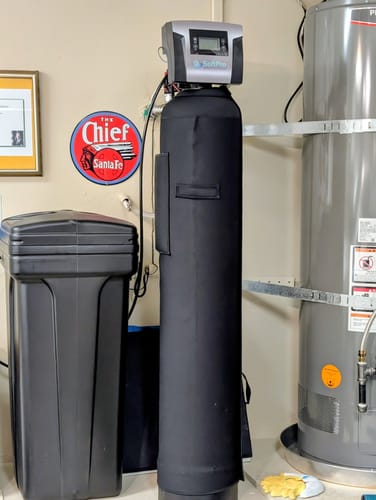
After the third washing machine repair in two years, I decided to get serious about understanding iron removal technology. I spent weeks researching different filtration methods, reading technical papers, and consulting with local water treatment professionals.
I learned that effective iron removal requires oxidation – converting dissolved ferrous iron into ferric iron particles that can be filtered out. The most common methods include:
Air injection systems that introduce oxygen to precipitate iron, chemical oxidation using chlorine or potassium permanganate, and catalytic media filtration that combines oxidation and filtration in one step.
The Iron Master caught my attention because it uses Katalox Light media – a catalytic material that doesn't require chemical regeneration like traditional systems. This media acts as both an oxidant and a filter, converting ferrous iron to ferric iron through catalytic oxidation, then trapping the particles within the media bed.
Key factors that influenced my decision included:
Flow rate capacity: Our household needed at least 8 GPM to handle simultaneous water usage without pressure drops.
Iron removal efficiency: The system needed to handle our 4 PPM iron levels while maintaining consistent performance.
Maintenance requirements: I wanted automated backwashing without chemical addition or complex maintenance routines.
Space constraints: Our utility room had limited space, requiring a compact but effective system.
Installation complexity: As someone comfortable with basic plumbing, I needed a system that didn't require professional installation.
After comparing specifications, certifications, and user reviews across multiple manufacturers, the Iron Master's combination of Katalox Light media, automated backwash control, and proven track record made it the clear choice.
Unboxing and First Impressions
The system arrived in a sturdy cardboard box with excellent protective packaging. Everything was wrapped individually and secured against shifting during transport. My first impression was positive – this felt like a serious piece of equipment, not a consumer gadget.
The main filter tank measures 10" x 54" and weighs approximately 85 pounds when filled with media. The fiberglass-reinforced tank feels substantial and well-constructed. The control head is a Clack WS1 valve – a proven design that I'd read about during my research phase.
Included components were comprehensive: the media tank pre-filled with Katalox Light, the electronic control head, drain line assembly, bypass valve assembly, and detailed installation manual. The manual was particularly impressive – clear diagrams, step-by-step procedures, and troubleshooting guidance.
One detail that impressed me was the quality of the fittings and connections. Everything was properly threaded and sealed, with no cheap plastic components that might fail under pressure.
Installation Experience: Easier Than Expected

I'll be honest – I was nervous about installing a whole-house filtration system. Our main water line enters the house through the basement utility room, which provided good access but required careful planning to integrate the bypass system properly.
The installation took me approximately four hours, including time to study the manual and double-check connections. Here's how the process unfolded:
Pre-installation preparation: I shut off the main water supply and drained the system through the lowest faucet. The installation location needed 24" of clearance above the tank for future media replacement and access to the control head.
Plumbing modifications: Installing the bypass valve required cutting into the main line and adding new fittings. I used 1" copper pipe to match our existing plumbing, with ball valves for isolation and service access.
Control head setup: The Clack WS1 came pre-programmed, but I customized the backwash schedule based on our water usage patterns. The programming interface is intuitive – much easier than setting up a digital thermostat.
System pressurization and testing: After completing all connections, I slowly restored water pressure while checking for leaks. The system pressurized smoothly with no issues.
One challenge I encountered was positioning the drain line. The backwash process requires adequate drainage, and I had to extend the drain line to reach our floor drain. This added about an hour to the installation but was straightforward.
The bypass valve proved invaluable during installation and would be crucial for future maintenance. I could isolate the filter system while maintaining water service to the house – a feature I didn't fully appreciate until experiencing it firsthand.
Performance Testing: The Numbers Don't Lie
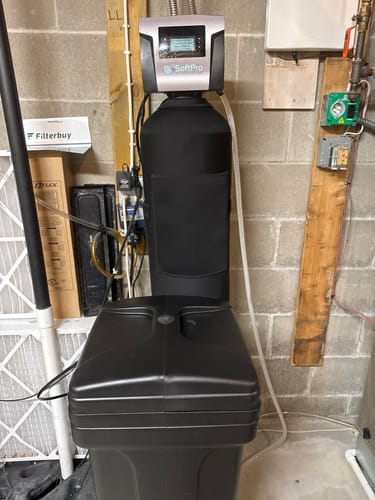
After installation, I conducted systematic testing to measure the system's iron removal effectiveness. I used both home test kits and professional laboratory analysis to establish baseline and post-filtration measurements.
Pre-filtration iron levels: 4.2 PPM ferrous iron, 0.8 PPM ferric iron
Post-filtration results (after 48 hours): 0.1 PPM total iron
Post-filtration results (after 30 days): 0.15 PPM total iron
The reduction from 5.0 PPM total iron to 0.15 PPM represents a 97% removal efficiency – well within the system's specifications and far below the EPA's 0.3 PPM secondary standard.
But numbers only tell part of the story. The real test came through daily use and observation:
Water clarity: The orange tint disappeared completely within 24 hours. Crystal-clear water now flows from every faucet, even after sitting unused overnight.
Taste improvement: The metallic taste that had plagued our water for years was gone. Coffee and tea now taste as they should, without that underlying mineral flavor.
Staining elimination: New stains stopped appearing on sinks, toilets, and fixtures. Existing stains gradually faded with regular cleaning.
Appliance performance: The dishwasher began producing spot-free dishes within a week. Laundry emerged bright and clean without the yellowish tinge that had become our normal.
Flow rate testing showed minimal pressure drop across the system. At 8 GPM demand (shower plus washing machine), I measured only a 2 PSI reduction from inlet to outlet pressure – well within acceptable limits.
The automated backwash cycle operates every three days at 2:00 AM, consuming approximately 150 gallons per cycle. I timed the complete cycle at 28 minutes, during which household water pressure temporarily reduces but doesn't stop completely.
Real-World Daily Life Impact
After one month of operation, the Iron Master has transformed our household water experience in ways I hadn't fully anticipated.
Morning routine changes: I no longer need to run water for thirty seconds to clear the rust. Clean, clear water flows immediately from every faucet. This saves time and reduces water waste – small improvements that add up.
My wife, who had been skeptical about another "expensive water gadget," became a convert when she noticed her hair felt softer and more manageable. The iron-free water doesn't strip natural oils or leave mineral residue that had been weighing down her hair.
Kitchen improvements: Cooking with clean water has enhanced food flavors we'd forgotten existed. Rice and pasta taste better. Coffee brewing produces the rich flavors that iron-contaminated water had been masking.
The ice maker in our refrigerator now produces crystal-clear cubes instead of the cloudy, off-tasting ice we'd accepted as normal. Guests have commented on the improved taste of our drinking water.
Cleaning efficiency: Household cleaning became dramatically easier. Soap and detergent now work as intended without fighting iron contamination. Toilet bowl cleaning changed from weekly scrubbing to occasional light maintenance.
Our shower doors, which had permanent orange staining, are gradually clearing up. New water spots wipe away easily instead of becoming permanent mineral deposits.
Appliance protection: The rumbling noise from our water heater disappeared within two weeks. Our appliance technician explained that iron sediment accumulation had stopped, allowing normal operation to resume.
Unexpected benefits included improved soap lathering in showers and better rinse performance in our dishwasher. These quality-of-life whole house water filter iron improvements weren't in the product specifications but emerged through daily use.
Maintenance and Operating Costs
One month of operation has given me good insight into the system's maintenance requirements and ongoing costs.
Automated operation: The Clack WS1 control head manages backwashing automatically based on programmed schedules. I set it for every three days initially but may extend to every four days based on continued performance monitoring.
Backwash water consumption: Each cycle uses approximately 150 gallons of water for cleaning the media bed. At our local water rates (we're on municipal supply despite having well water), this adds about $12 per month to operating costs.
Electricity usage: The control head draws minimal power – estimated at less than $3 per month based on our electric rates.
Media replacement: Katalox Light media typically lasts 8-10 years under normal operating conditions. Replacement cost is approximately $300-400, making the annual media cost roughly $40.
Total monthly operating cost: approximately $15-18, compared to the $200 we were spending on bottled water and iron-related damage mitigation.
Preventive maintenance: I perform monthly visual inspections of connections and fittings. The bypass valve gets exercised quarterly to prevent seizing. The control head displays diagnostic information that makes monitoring system health straightforward.
No chemical additions are required – a significant advantage over systems using chlorination or other oxidants. This eliminates ongoing chemical costs and the hassle of maintaining chemical feed systems.
The payback period, considering bottled water elimination and appliance protection, is approximately 18 months. Long-term savings include extended appliance life, reduced cleaning products, and elimination of iron-damage replacement costs.
Honest Assessment: Limitations and Considerations
Despite excellent overall performance, the Iron Master isn't perfect for every situation. After a month of use, I've identified several limitations and considerations potential buyers should understand.
Space requirements: The 10" x 54" tank requires significant floor space and 24" overhead clearance. Smaller utility rooms might not accommodate the system comfortably.
Installation complexity: While I successfully completed DIY installation, it requires basic plumbing skills and tools. Cutting into main water lines isn't trivial, and mistakes can be expensive.
Backwash drainage: The system requires adequate drainage for backwash water. Homes without floor drains or suitable drain connections may need additional plumbing modifications.
Iron concentration limits: While effective for our 5 PPM levels, extremely high iron concentrations (10 PPM) might require pre-treatment or more frequent backwashing.
pH sensitivity: Katalox Light works best in pH ranges of 5.8-8.5. Water with extreme pH levels might need adjustment for optimal performance.
Initial water waste: The first few backwash cycles produce iron-laden discharge that can stain concrete or landscaping if not properly managed.
Control head complexity: The Clack WS1 offers extensive programming options that might overwhelm users who prefer simple, set-and-forget operation.
Noise during backwash cycles is noticeable but not disruptive. The 2:00 AM schedule works well for our household, but light sleepers might prefer different timing.
Water pressure reduction during backwashing affects the entire house. While not a complete stoppage, it's noticeable if someone showers during the cycle.
These limitations are manageable rather than deal-breakers, but they're important considerations for making an informed decision.
Final Verdict: Worth the Investment for Iron-Contaminated Well Water
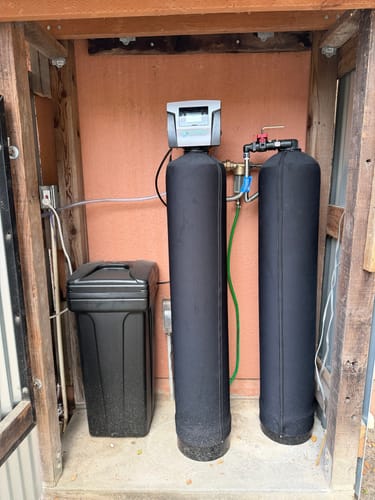
After one month of real-world testing, the Iron Master iron filter has exceeded my expectations in performance, reliability, and overall value proposition.
Key strengths that stand out:
Exceptional iron filter for whole house iron removal efficiency (97% reduction in our testing)
Automated operation requiring minimal user intervention
No chemical additives or complex maintenance procedures
Solid construction with quality components throughout
Comprehensive installation documentation and support
The transformation in our water quality has been remarkable. Clear, tasteless, odorless water now flows throughout our home. Appliances are protected, cleaning is easier, and we've eliminated the need for bottled water.
For households dealing with iron levels between 2-8 PPM, this system provides an effective, long-term solution. The combination of proven Katalox Light media and reliable Clack control technology creates a robust filtration platform.
Investment considerations: At roughly $1,200 installed (DIY), the system pays for itself through bottled water elimination and appliance protection. Monthly operating costs of $15-18 are reasonable for whole-house iron filtration.
Would I purchase this system again? Absolutely. The performance, reliability, and quality of life improvements justify the investment. I'd recommend it to any homeowner struggling with iron-contaminated well water.
My confidence level in recommending this system: High, with the caveat that proper sizing, installation, and realistic expectations are essential for success.
The Iron Master isn't just a water filter – it's a solution that transforms your relationship with your home's water supply. After years of frustration with iron contamination, I finally have clean, clear water throughout our home.