
Hi, I'm Dave M.. I live in Illinois. Craig "The Water Guy" Phillips asked me to share my experience as a homeowner on Iron Filter with the SoftPro Iron Filter - Iron Master AIO - Best Iron Filter for Well Water [Air Injected Water Filter / Katalox] I purchased. This is how my adventures played out. I hope this helps you in your decision.
Did you know that iron contamination affects nearly 75% of well water systems across the United States?
When I first noticed those telltale rust-colored stains creeping across my bathroom fixtures and the metallic taste in my morning coffee, I knew I had a problem. Living with well water in Illinois for over eight years, I'd dealt with hard water issues before, but this iron situation was getting out of hand.
The orange streaks weren't just an eyesore – they were a sign that my family's water quality was compromised. After months of scrubbing stains and replacing appliances damaged by iron buildup, I realized I needed a permanent solution.
That's when I discovered the Iron Master system, and after six months of real-world testing, I'm ready to share exactly what this filter can and cannot do for homeowners facing similar iron water challenges.
The Iron Problem That Pushed Me Over the Edge
Let me paint you a picture of what living with high iron well water really looks like. Every morning, I'd walk into my bathroom to find fresh orange streaks running down the toilet bowl and coating the inside of my bathtub. The white porcelain had developed a permanent amber tint that no amount of bleach could eliminate.
But the staining was just the visible symptom of a much bigger problem. My well water tested at 4.2 parts per million (PPM) of iron – nearly three times the EPA's recommended maximum of 0.3 PPM for aesthetic quality. This level of ferrous iron was wreaking havoc throughout my home's plumbing system.
The iron oxidation process was accelerated every time water sat in my pipes overnight. When dissolved ferrous iron encounters oxygen, it transforms into ferric iron – those rusty particles that settled in my water heater tank and clogged my appliance filters. My dishwasher's spray arms required monthly cleaning, and my washing machine left rust stains on white clothes despite using extra detergent.
Beyond the household damage, the metallic taste made drinking tap water unpleasant. My family had resorted to buying bottled water for drinking and cooking, adding nearly $80 monthly to our grocery bill. The iron was also interfering with our water softener's ion exchange resin, reducing its effectiveness and requiring more frequent salt additions.
I'd tried temporary fixes – iron removal cartridges that lasted mere weeks, chemical treatments that barely made a dent, and even a cheap sediment filter that clogged within days. Each failed solution cost money while the underlying problem grew worse. When my water heater technician warned that iron buildup was significantly reducing my unit's lifespan, I knew it was time for a comprehensive solution.
Research Journey: Understanding Iron Removal Technologies
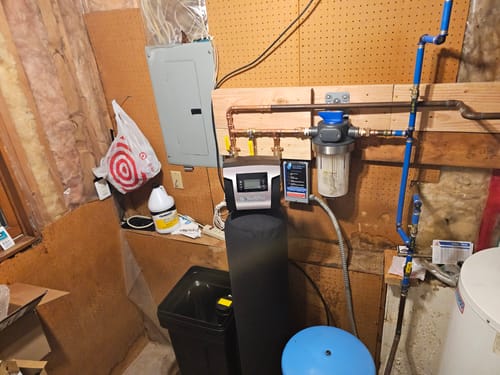
Before investing in any system, I spent weeks researching iron removal technologies to understand what would actually work for my specific situation. The science behind iron removal is more complex than I initially realized, and choosing the wrong approach could mean throwing money at a problem that persists.
Iron exists in well water primarily as ferrous iron (dissolved) or ferric iron (oxidized particles). Most basic filters only capture ferric iron, which explains why my previous sediment filter attempts failed. My dissolved ferrous iron passed right through those systems, only to oxidize later in my pipes and fixtures.
I discovered three main approaches to comprehensive iron removal: chemical oxidation systems, catalytic media filters, and air injection oxidation systems. Chemical systems require ongoing chemical purchases and regular maintenance. Traditional catalytic systems work but often struggle with higher iron concentrations like mine.
Air injection systems caught my attention because they use natural oxidation – introducing oxygen to convert ferrous iron to ferric iron, then filtering out the oxidized particles. This process mimics what happens naturally when iron water contacts air, but controls the reaction within the treatment system rather than in my pipes.
The Iron Master uses a Katalox Light media combined with air injection technology. Katalox Light is a manganese-coated ceramic media that catalyzes iron oxidation while providing filtration. Unlike traditional greensand media that requires potassium permanganate regeneration, Katalox Light regenerates using only air and water backwashing.
Capacity was crucial for my household. With four family members and typical daily water usage around 240 gallons, I needed a system that could handle peak flow rates without pressure drops. The Iron Master's 1.5 cubic feet of media and 7 GPM service flow rate provided adequate capacity for our needs.
NSF certification mattered to me as well. While not all effective systems carry NSF certification due to cost, I wanted assurance that the materials met drinking water safety standards. The Iron Master's components are NSF-certified for potable water contact.
Price comparison revealed the Iron Master positioned in the middle of the market – more expensive than basic cartridge systems that wouldn't solve my problem, but less costly than commercial-grade systems with features I didn't need.
Installation Experience: DIY Success with Some Challenges
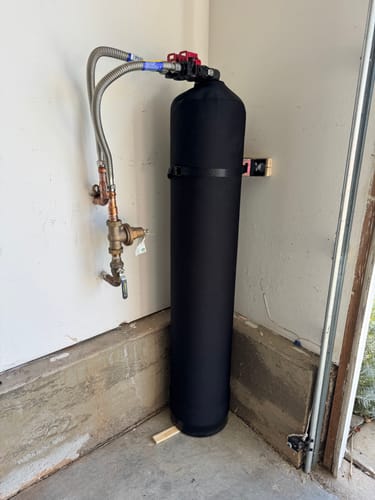
When the Iron Master arrived, I was impressed by the packaging quality and component organization. The 48-inch tall tank has substantial weight – approximately 180 pounds when filled with media – so I enlisted help moving it into position in my basement utility room.
The installation manual was comprehensive, though I wish it included more detailed plumbing diagrams for different scenarios. As someone with moderate DIY plumbing experience, I felt confident tackling the installation myself, especially since I'd already upgraded portions of my system to PEX tubing.
Pre-installation preparation took longer than expected. The system requires a dedicated 110V electrical outlet for the control head, adequate space for the tank and bypass valve assembly, and a drain connection for backwash discharge. I spent a Saturday morning reorganizing my utility room and running a new electrical circuit.
The bypass valve installation went smoothly using SharkBite push-fit connectors, though I recommend investing in quality fittings since this connection bears your home's full water pressure. The control head mounted securely to the tank, and the internal media shipping brace removal was straightforward following the included instructions.
One challenge arose during the initial startup sequence. The air injection system requires precise programming based on your specific water conditions and flow requirements. The default settings needed adjustment for my iron levels and household usage patterns. I contacted SoftPro's technical support, and their technician walked me through optimizing the air draw rate and backwash frequency.
The most time-consuming aspect was the initial media conditioning and system flushing. The process took nearly two hours of controlled flow to properly condition the Katalox Light media and purge any residual particles. During this phase, the water ran slightly cloudy – completely normal but something to expect.
Initial pressure testing revealed a modest pressure drop of about 3 PSI under normal flow conditions. With my incoming pressure of 52 PSI from the well pump, the reduction to 49 PSI didn't noticeably affect fixture performance throughout the house.
Total installation time, including preparation and startup, spanned about 6 hours over a weekend. A professional installation would likely cost $300-500 in my area, but the DIY approach saved money while helping me understand the system's operation.
Performance Analysis: Six Months of Real-World Testing

The transformation in water quality became apparent within 48 hours of installation. Using iron test strips, I measured the treated water at 0.1 PPM iron – well below the 0.3 PPM aesthetic threshold and a dramatic improvement from my original 4.2 PPM.
The most obvious change was visual. New staining completely stopped appearing on fixtures, and over several weeks, existing stains began lightening as iron-free water gradually dissolved the built-up deposits. My toilet bowls maintained their white appearance, and the bathtub stopped developing those persistent orange streaks.
Taste improvement was immediate and significant. The metallic flavor that had made drinking tap water unpleasant disappeared entirely. My morning coffee tasted noticeably cleaner, and cooking with tap water no longer imparted any off-flavors to soups or pasta dishes.
Appliance performance improvements took longer to assess but became clear over months of use. My dishwasher's final rinse spots disappeared, and glassware emerged sparkling without additional rinse aids. The washing machine stopped depositing rust stains on clothing, even when washing white loads with hot water.
I monitored the system's air injection cycle to understand its operation patterns. The control head draws air during the service cycle, creating controlled oxidation within the tank. Every three days, the system automatically backwashes to flush oxidized iron particles and regenerate the Katalox media with fresh air.
Flow rate testing during peak usage periods showed the system maintained adequate pressure. Even with simultaneous shower and washing machine operation, I measured only a 5 PSI pressure reduction – barely noticeable during actual use.
One unexpected benefit was reduced soap and detergent usage. Without iron interference, our water softener began working more efficiently, requiring less salt and producing better water for cleaning applications. Soap scum buildup in showers decreased noticeably.
Winter months provided a good stress test, as iron concentrations in well water often fluctuate seasonally. The system maintained consistent performance even when retesting showed my raw water iron levels had increased to 4.8 PPM during late February.
Daily Living Impact: The Difference Clean Water Makes
Six months later, the improvements extend far beyond eliminating stains and taste issues. My wife no longer dreads cleaning bathrooms, since maintaining fixtures requires simple weekly cleaning rather than aggressive scrubbing with specialized iron removal products.
Our monthly household expenses decreased in several areas. We eliminated bottled water purchases, saving approximately $80 monthly. Reduced cleaning product usage and less frequent appliance maintenance created additional savings that help offset the system's operational costs.
Laundry day became less stressful once I stopped worrying about iron stains ruining clothing. My teenage daughter's white school shirts stay white, and we no longer pre-treat items or rewash loads that come out dingy.
Guests have commented on the water quality improvement, particularly the lack of metallic taste and the absence of staining in guest bathroom fixtures. When my mother-in-law visited last month, she mentioned how much better the water tasted compared to her previous stay.
My morning routine improved simply because I can drink coffee and brush my teeth without that unpleasant metallic aftertaste. These small quality-of-life improvements compound daily to create a noticeable difference in home satisfaction.
The automatic operation means I rarely think about the system's presence except during its scheduled backwash cycles. The control head displays cycle status, and I've learned to recognize the sound of backwashing, which occurs early morning and doesn't disturb household activities.
Seasonal changes that previously meant varying degrees of iron problems no longer affect our daily water experience. Spring runoff and fall weather patterns that used to correlate with worse iron taste and staining now pass unnoticed thanks to the consistent treatment.
Operational Costs and Maintenance Reality
Understanding the true cost of ownership was crucial in my purchasing decision, so I've carefully tracked expenses throughout my first six months of operation. The operational costs are lower than I initially projected, though there are ongoing expenses to consider.
Electricity usage for the control head and air compressor averages about 15-20 kWh monthly, adding approximately $3-4 to my electric bill. The air injection system operates efficiently, cycling only as needed based on water usage and iron loading.
The system uses approximately 180-220 gallons of water per backwash cycle, occurring every 2-3 days depending on household usage. With iron filter system for well water three backwashes weekly, that totals about 2,400 gallons monthly for regeneration – roughly 8% of our total water usage.
No chemical additives are required, unlike some iron removal systems that need potassium permanganate or chlorine injection. This eliminates ongoing chemical costs and the hassle of maintaining chemical feed systems.
The Katalox Light media should last 8-10 years under normal residential conditions, according to the manufacturer. At current replacement costs, this represents about $30-40 annually for media replacement reserves.
I budget approximately $15 monthly for total operational costs, including electricity, water for regeneration, and media replacement reserves. Compared to our previous $80 monthly bottled water expense plus cleaning products and appliance damage, the system pays for itself.
Routine maintenance involves quarterly visual inspection of the bypass valve and annual testing of the backwash drain flow. I purchased iron test strips to periodically verify performance, though the absence of staining provides obvious confirmation that the system is working properly.
The control head's electronic components carry a 5-year warranty, while the tank and bypass valve are warrantied for 10 years. SoftPro's customer service has been responsive during my few technical questions, providing phone support without lengthy hold times.
Limitations and Considerations for Potential Buyers
While I'm satisfied with the Iron Master's performance, it's important to understand this system's limitations and situations where alternatives might be more appropriate. Honest assessment helps potential buyers make informed decisions based on their specific circumstances.
The physical footprint requires adequate utility room space. At 48 inches tall and 10 inches in diameter, plus clearance for the control head and plumbing connections, you need about 6 feet of vertical clearance and 2 feet of floor space. Basement installations work well, but cramped utility closets may not accommodate the system.
Installation complexity exceeds simple cartridge filter replacement. While experienced DIYers can handle the installation, it involves electrical work, plumbing modifications, and system programming. Professional installation costs should be factored into the total investment for those uncomfortable with these requirements.
The backwash cycle produces wastewater that must drain appropriately. If your utility room lacks floor drain access or suitable discharge options, additional plumbing work may be necessary. The backwash flow is substantial – about 7 GPM for 15-20 minutes – requiring proper drainage capacity.
Very high iron concentrations above 8-10 PPM may challenge the system's capacity, requiring more frequent backwashing or pre-treatment. Similarly, water with significant hydrogen sulfide (rotten egg smell) or manganese might need different or additional treatment approaches.
The system doesn't address other common well water issues like bacteria, nitrates, or pH problems. If your water testing reveals multiple contamination types, you may need additional treatment components iron filter for well or a different system entirely.
Noise during backwash cycles, while not excessive, is noticeable in quiet utility rooms. The regeneration typically occurs between 2-4 AM based on usage patterns, which minimizes disruption but might bother light sleepers in homes where the utility area is near bedrooms.
Power outages disrupt the control head's timing, potentially affecting regeneration schedules until power restoration. While this doesn't damage the system, extended outages during high usage periods could temporarily reduce treatment effectiveness.
Final Verdict: Worth the Investment for Iron Problems
After six months of daily use, the Iron Master has exceeded my expectations for addressing our well water iron contamination. The combination of reliable performance, reasonable operational costs, and significant quality-of-life improvements makes this system a solid investment for households facing similar iron challenges.
The system's greatest strength lies in its comprehensive approach to iron removal.
Unlike temporary fixes or partial solutions I'd tried previously, the Iron Master addresses iron contamination at its source – converting dissolved ferrous iron to filterable ferric iron before it can oxidize in my plumbing system. This fundamental approach eliminates both the symptoms and underlying cause of iron problems.
Performance consistency has been remarkable. Through seasonal water quality changes, varying household usage patterns, and different flow demands, the system maintains iron levels below 0.3 PPM. The automatic operation means I don't need to monitor or adjust the system manually – it simply works reliably in the background.
The elimination of bottled water purchases, reduced cleaning product needs, and protection of appliances from iron damage create ongoing savings that help justify the initial investment. More importantly, the daily convenience of clean, tasteless water throughout the house represents value that's difficult to quantify but easy to appreciate.
Installation challenges exist, but they're manageable for homeowners with moderate DIY skills or acceptable additional costs for professional installation. The system's robust construction and comprehensive warranty provide confidence in long-term reliability.
I would confidently recommend the Iron Master to homeowners dealing with iron concentrations between 1-6 PPM who want a comprehensive, low-maintenance solution.
The system particularly suits households tired of temporary fixes and ready to invest in permanent water quality improvement.
For those with very high iron levels, extremely limited space, or multiple water quality issues beyond iron, alternative approaches might be more appropriate. However, for typical residential iron problems like mine, the Iron Master delivers effective, reliable treatment that transforms daily water experience.
Would I purchase this system again? Absolutely. The combination of performance, reliability, and reasonable operational costs makes it an excellent long-term solution for iron contamination. Six months later, I'm enjoying consistently clean water while the system operates automatically in the background – exactly what I hoped to achieve when I started this journey.