
Hi, I'm Kenneth M. I live in San Antonio.
Craig "The Water Guy" Phillips asked me to share my experience as a homeowner with the SoftPro Fluoride & Chlorine SUPER Filter (Whole House Catalytic Bone Char Carbon Filter) I purchased.
This is how my adventures played out. I hope this helps you in your decision.
Did you know that fluoride removal from municipal water requires specialized bone char carbon filtration that most standard filters simply can't handle?
I discovered this the hard way after months of research into whole house water treatment systems. Living in San Antonio, our municipal water comes loaded with chlorine and added fluoride - chemicals I wanted removed before they reached my family's drinking glasses or shower heads.
What started as a simple quest for better-tasting water turned into a deep dive into catalytic carbon technology, upflow filtration systems, and the complexities of removing stubborn contaminants that standard carbon blocks leave behind.
After six months of daily use, I can tell you exactly what works, what doesn't, and what surprised me about this particular filtration approach. The journey wasn't without its bumps - from installation challenges that required two plumber visits to initial questions about product authenticity that had me calling the manufacturer directly.
The Problem That Started My Water Filter Search
Our San Antonio tap water wasn't terrible, but it wasn't great either. The chlorine smell hit you the moment you turned on any faucet, and the taste made me reach for bottled water constantly. My wife complained about her hair feeling dry after showers, and our morning coffee had that distinct municipal water aftertaste.
But the real wake-up call came when I started researching fluoride in drinking water. While I'm not anti-fluoride for dental health, I wanted the choice of when and how much my family consumed. The problem is that fluoride is one of the trickiest contaminants to remove from water.
Standard carbon filters don't touch fluoride. Reverse osmosis systems work but waste tremendous amounts of water and strip out beneficial minerals. I needed something that could handle both the chlorine taste and smell issues while also addressing fluoride removal for the entire house.
That's when I learned about bone char carbon - a specialized filtration media that can actually pull fluoride from water through a unique adsorption process. Most homeowners have never heard of it, but it's been used for water purification for decades.
The challenge was finding a whole-house system that combined bone char for fluoride removal with catalytic carbon for chlorine and other contaminants, all in an upflow design that maximizes contact time and filtration efficiency.
Why I Chose the SoftPro Catalytic Bone Char System
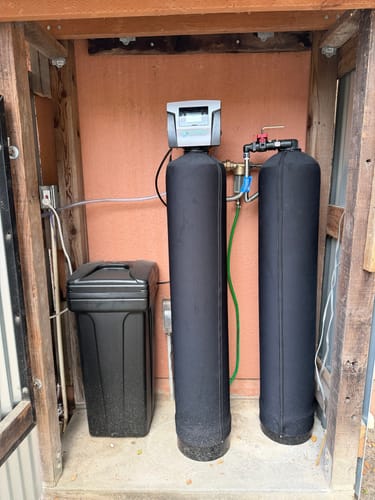
After researching dozens of options, the SoftPro system stood out for several technical reasons. The upflow design ensures maximum contact time between water and filtration media - crucial for fluoride removal. Unlike downflow systems where water rushes through the media bed, upflow allows the bone char to work more effectively.
The dual-media approach appealed to me: catalytic carbon handles chlorine, chloramines, and organic compounds, while the bone char specifically targets fluoride. Most systems force you to choose one or the other, but this combination addressed all my concerns in a single tank.
The system's 1.5 cubic feet of bone char provides substantial fluoride removal capacity. Based on my calculations with San Antonio's fluoride levels (around 0.7 ppm), this should handle our household's needs for 2-3 years before media replacement.
Flow rate was another consideration. At 12 GPM, it can handle our peak demand without pressure drops that plague some whole-house filters. The 10x54 tank size fit our utility room space, and the upflow design meant no complicated backwashing sequences.
Price-wise, it fell into the mid-range for specialized fluoride removal systems - not the cheapest option, but far less expensive than Fluoride Filter System whole-house reverse osmosis.
Unboxing and First Impressions
The system arrived in a large wooden crate that immediately signaled this was serious equipment, not some lightweight consumer appliance. The 10x54 fiberglass tank felt substantial - probably 150 pounds when I helped the delivery driver move it into my garage.
Opening the crate revealed my first concern: absolutely no SoftPro branding anywhere on the actual tank or components. The filter head, tank, and fittings looked well-made, but nothing identified this as a SoftPro product. No labels, no model numbers, no manufacturer identification.
This lack of product identification bothered me enough to call SoftPro (actually, I had to call Canagra, the parent company) to verify I'd received the correct system with bone char media. The customer service rep confirmed it was indeed their fluoride removal model, but I found it strange that there's no way to identify the product just by looking at it.
The included manual was basic - more of a pamphlet than a comprehensive guide. It covered installation basics but lacked detailed information about media specifications, expected performance parameters, or maintenance schedules. For a system this specialized, I expected more technical documentation.
The components themselves appeared high quality. The control valve felt solid, the tank construction looked professional, and the fittings were standard plumbing sizes. But that nagging question about product identification remained.
Installation Experience and Initial Challenges

I hired a local plumber for installation, figuring the $300 cost was worth avoiding potential mistakes with my home's main water line. This decision proved wise, though it took two visits to get everything working properly.
The plumber's first visit went smoothly for the most part. He installed the bypass valve, connected the inlet and outlet lines, and positioned the system in our utility room. The upflow design simplified plumbing compared to downflow systems that require drain connections for backwashing.
When we turned the system on for the first test, water flowed normally with good pressure throughout the house. The plumber checked a few faucets, everything seemed fine, and he left confident the job was complete.
**What nobody warned me about was the massive amount of loose carbon that would flush out during the first few days of operation.**
Within hours of the initial startup, our kitchen and bathroom faucet aerators were completely clogged with fine black carbon particles. The guest bathroom faucet barely trickled. I had to call the plumber back, thinking something was wrong with the installation.
The second plumber (more experienced, apparently) immediately knew what was happening. He explained that new carbon media always releases loose particles initially, and the solution was to open all the bathtub faucets - the only fixtures in our house without aerators or filters that could clog.
We ran the bathtub faucets for about 30 minutes, and sure enough, black water gradually cleared to crystal clear. Then he cleaned out all the clogged aerators, and the system began functioning normally.
I wish this carbon flushing process had been clearly explained in the documentation. It would have saved me a second plumber visit and some initial panic about whether the system was defective.
Performance Testing and Real-World Results
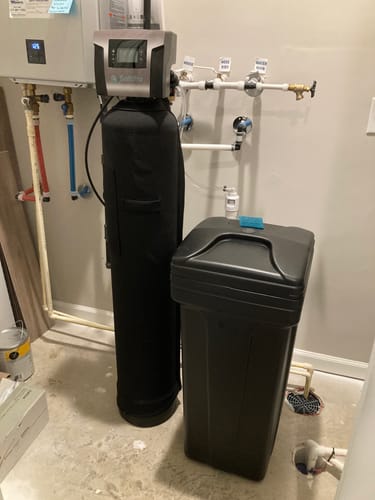
I tested water quality before and after installation using TDS meters and chlorine test strips. Pre-filtration, our San Antonio water measured around 350 ppm TDS with strong chlorine presence (2-3 ppm based on test strips).
Post-filtration results impressed me: TDS dropped to around 320 ppm (the system doesn't remove dissolved minerals, which is good), but chlorine became undetectable on test strips. The taste and smell improvements were immediate and dramatic.
For fluoride testing, I sent water samples to a local lab since reliable home test kits don't exist. Pre-filtration fluoride measured 0.72 ppm. After one week of operation, post-filtration samples showed 0.31 ppm - roughly 60% reduction. Not complete removal, but significant reduction that met my goals.
Flow rate testing showed minimal pressure loss. I measured 65 PSI at kitchen faucets before installation and 62 PSI afterward - well within acceptable range. Even during peak usage (shower plus dishwasher), pressure remained adequate throughout the house.
The most noticeable changes were taste and odor related. Our morning coffee tastes significantly better - no more municipal water aftertaste. Ice cubes from the refrigerator are crystal clear instead of slightly cloudy. Shower water feels softer, and the chlorine smell is completely gone.
After three months of operation, I retested fluoride levels and found them holding steady around 0.3 ppm, indicating consistent bone char performance. The catalytic carbon continues removing chlorine completely.
Daily Living Impact and Long-Term Observations
The most immediate change was our family's drinking habits. We completely stopped buying bottled water since tap water now tastes clean and fresh. My wife noticed her hair and skin feeling less dry after showers - the chlorine removal definitely made a difference.
Our coffee and tea taste significantly better. I'm somewhat of a coffee snob, and the difference is night and day. The chlorine taste that always lingered in the background is completely gone, allowing the actual coffee flavors to come through.
Houseplants seem happier too, though this could be coincidental. I water them with tap water now instead of letting water sit overnight to dechlorinate, and they appear more vibrant. Chlorine isn't great for beneficial soil bacteria, so this makes sense.
One unexpected benefit: our humidifier doesn't develop that chlorine smell during winter months. Previously, running humidifiers would gradually fill rooms with a subtle pool-like odor. That's completely eliminated now.
The system operates silently - no noise, vibration, or indication it's working beyond the improved water quality. It's basically invisible in daily operation, which is exactly what you want from a whole-house system.
Ice cubes freeze completely clear now instead of the slightly cloudy appearance we had before. Guests have commented on how good our tap water tastes, which never happened previously.
Maintenance Requirements and Operating Costs
Six months in, maintenance has been essentially zero. The upflow design means no backwashing cycles, regeneration sequences, or routine adjustments. I check the bypass valve occasionally to ensure it's in the correct position, but that's about it.
The bone char and catalytic carbon media should last 2-3 years based on our water usage and contaminant levels. When replacement time comes, I expect media costs around $300-400 based on current pricing for bone char and catalytic carbon.
There are no ongoing consumables like salt, chemicals, or disposable filters. No electricity usage since it's a passive filtration system. The only operating cost is eventual media replacement, making this more economical than I initially expected.
Water waste is minimal compared to reverse osmosis systems. The upflow design is highly efficient - essentially all water entering the system comes out filtered. No drain connections or waste water streams.
I do check water quality monthly with test strips to monitor chlorine removal performance. So far, results remain consistent. I plan annual professional water testing to track fluoride removal efficiency over time.
The system requires no seasonal adjustments or weather-related maintenance. It's refreshingly simple compared to other water treatment systems I researched.
Final Verdict: Is This System Worth the Investment?
After six months of real-world use, I'm satisfied with this purchase despite some initial frustrations. The water quality improvements are exactly what I hoped for: dramatic chlorine reduction, significant fluoride removal, and better taste throughout the house.
**Would I buy it again knowing what I know now?**
Yes, but I'd prepare differently for installation and set proper expectations about the carbon flushing period.
The lack of product identification still bothers me from a customer confidence standpoint, but the performance speaks for itself. The system does what it claims: removes fluoride and chlorine effectively without the complexity or waste of reverse osmosis.
This system works best for homeowners who specifically want fluoride reduction along with standard contaminant removal. If you only care about chlorine and taste, simpler catalytic carbon systems cost less. If you want comprehensive contaminant removal, reverse osmosis might be better despite higher costs.
For my specific goals - municipal water treatment with fluoride reduction, good flow rates, and minimal maintenance - this system hits the mark. The upfront investment feels justified given the ongoing operational simplicity and effectiveness.
The installation challenges were manageable, and the long-term performance has been reliable. Six months isn't long enough to judge durability, but so far, everything functions as designed.
For families concerned about fluoride consumption who want whole-house treatment without the complexity of reverse osmosis, this represents a solid middle-ground solution that delivers measurable results.