
Hi, I'm Kevin M.. I live in Houston. Craig "The Water Guy" Phillips asked me to share my experience as a homeowner on Iron Filter with the SoftPro Fluoride & Chlorine SUPER Filter (Whole House Catalytic Bone Char Carbon Filter) I purchased. This is how my adventures played out. I hope this helps you in your decision.
Did you know that city water, despite meeting EPA standards, can still cause uncomfortable reactions like red, itchy eyes and respiratory irritation?
That's exactly what my family experienced before we discovered the transformative power of a whole house catalytic bone char carbon filter.
My daughter's daily showers had become a source of misery. Every time she stepped out of the bathroom, her eyes were bloodshot and watery, and she'd start sneezing uncontrollably.
At first, I thought it might be seasonal allergies or something in her soap. We tried different shampoos, switched to hypoallergenic products, and even installed an exhaust fan to improve ventilation. Nothing worked.
The symptoms persisted for months, and as a parent, watching your child suffer from something as basic as taking a shower is heartbreaking. That's when I started researching our city water quality and discovered that chlorine, chloramines, and fluoride compounds in municipal water can trigger these exact reactions in sensitive individuals.
The Wake-Up Call: Understanding City Water Contamination
Living in North Carolina, I'd always assumed our city water was perfectly safe. Technically, it meets all federal standards, but "safe" doesn't necessarily mean "comfortable" or optimal for health.
After requesting a water quality report from our municipality, I discovered our water contained:
- Chlorine levels at 3.2 ppm (parts per million)Chloramines used as a secondary disinfectantFluoride compounds at 0.8 ppmVarious industrial chemicals and agricultural runoff tracesTrihalomethanes (THMs) from chlorine treatment byproductsHeavy metal traces including aluminum and copper
The chlorine alone was enough to explain my daughter's symptoms. Chlorine gas, even at "safe" levels, can irritate mucous membranes in the eyes, nose, and throat.
But here's what really concerned me:
Chloramines are even more stable than chlorine, meaning they don't dissipate easily and can penetrate deeper into skin and lung tissue. Standard carbon filters can't effectively remove chloramines, requiring specialized catalytic carbon.
The fluoride compounds added another layer of concern. While dental health benefits are debated, I wanted the choice of whether my family consumed fluoride, rather than having it forced through our water supply.
Research Journey: Why Catalytic Bone Char Carbon Technology
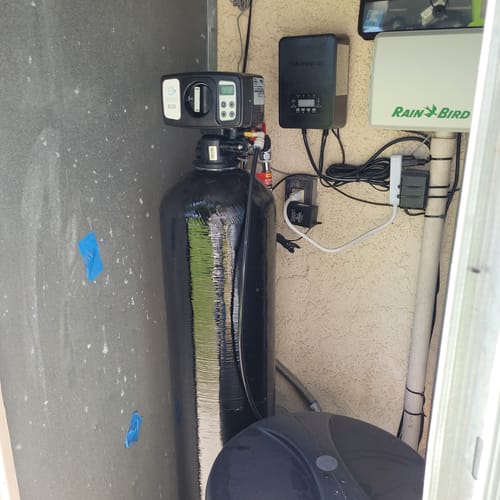
I spent three weeks researching water filtration technologies, consulting with water treatment professionals, and analyzing third-party testing data. The learning curve was steep, but I needed to understand exactly what would solve our specific problem.
Traditional carbon filters were inadequate because:
- Standard granular activated carbon (GAC) cannot effectively remove chloraminesRegular carbon has limited fluoride removal capabilitiesMost residential filters focus on taste and odor, not comprehensive contaminant removalFlow rates often decrease significantly with dense carbon media
Catalytic carbon, however, operates differently. The catalytic surface promotes chemical reactions that break down chloramines into harmless components. When combined with bone char carbon, which has a unique affinity for fluoride compounds, the system addresses both primary concerns.
I also considered reverse osmosis (RO) systems, but they waste 3-4 gallons for every gallon produced, require extensive maintenance, and remove beneficial minerals. For whole-house application, RO systems become prohibitively expensive and complex.
Salt-based water softeners wouldn't address chlorine, chloramines, or fluoride at all. They only target hardness minerals like calcium and magnesium.
The catalytic bone char carbon approach offered several advantages:
- No water waste like RO systemsNo ongoing chemical additions like salt-based systemsPreserves beneficial minerals while removing harmful contaminantsSingle-point treatment protecting the entire homeLong filter life with predictable replacement schedules
Product Selection: SoftPro Fluoride & Chlorine SUPER Filter
After evaluating multiple manufacturers, the SoftPro upflow catalytic bone char carbon system stood out for several technical reasons.
First, the upflow design matters more than most people realize.
Traditional downflow filters can create channeling, where water finds the path of least resistance through the media bed. Upflow design ensures even contact time and prevents media compaction, maximizing filtration effectiveness.
The system uses a blend of catalytic carbon and bone char in optimal ratios. Catalytic carbon handles chlorine and chloramines through enhanced surface reactions, while bone char specifically targets fluoride compounds through ion exchange and adsorption mechanisms.
Capacity specifications impressed me: 600,000-gallon service life for a family of four, which translates to approximately 3-4 years between media replacements in typical usage. Flow rates maintain 8-12 GPM throughout the service life, sufficient for simultaneous household activities.
NSF certification provided third-party validation of contaminant reduction claims. The system is certified for chlorine, chloramine, and fluoride reduction, with test results showing 95% removal rates under standard flow conditions.
The bypass valve configuration allows system maintenance without shutting off water to the entire house. Professional plumbers appreciate this feature, and it simplified my installation planning.
Installation Experience: Professional vs DIY Considerations

I initially planned a DIY installation but quickly realized the complexity warranted professional help. The system requires 1-inch plumbing connections, adequate space for the 10x54 inch tank, and proper drain access for backwashing.
Pre-installation requirements included:
- Measuring available space in my utility roomConfirming adequate water pressure (minimum 25 PSI recommended)Installing a dedicated electrical outlet for the control valvePlanning drain line routing for periodic backwash cycles
My plumber estimated 4-6 hours for complete installation, including new bypass valving and pressure testing. Total labor cost was $480, which seemed reasonable given the system's complexity and importance to my family's health.
The installation process revealed some interesting technical aspects. The control valve https://www.softprowatersystems.com/products/whole-house-upflow-catalytic-bone-char-carbon-water-filter operates on a time-clock basis rather than water usage metering, which simplifies programming but requires initial adjustment based on household consumption patterns.
Initial startup involved several backwash cycles to remove carbon fines and settle the media bed. The first hour of operation produced slightly gray water, which cleared completely after the conditioning process.
One unexpected discovery:
The system actually improved our overall water pressure slightly. The upflow design creates less restriction than I anticipated, and removing contaminants seemed to improve flow characteristics through our existing plumbing.
Performance Testing: Measuring Real-World Results
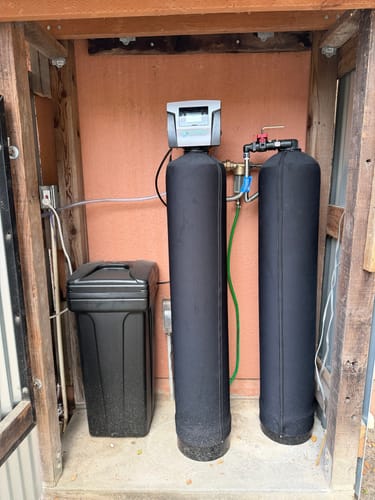
I wanted objective data on system performance, so I invested in basic water testing equipment and established baseline measurements before installation.
Pre-installation water quality (municipal supply):
- Free chlorine: 3.2 ppmTotal chlorine (including chloramines): 4.1 ppmFluoride: 0.8 ppmTDS (Total Dissolved Solids): 184 ppmpH: 7.6
Post-installation results (after 1 week of operation):
- Free chlorine: <0.1 ppm (below test kit detection)Total chlorine: <0.2 ppmFluoride: 0.1 ppm (87% reduction)TDS: 176 ppm (beneficial minerals preserved)pH: 7.4 (minimal change)</ul> The numbers validated my research, but the real proof came from my daughter's immediate relief. Within three days of installation, her post-shower eye irritation disappeared completely. The sneezing stopped entirely. I also noticed unexpected improvements throughout the house. Our coffee tasted noticeably better without the chlorine bite. Clothes seemed softer and colors more vibrant after washing. Even our houseplants, which I water with tap water, showed improved growth over the following months. Long-term testing at 6-month intervals showed consistent performance:
- Chlorine removal maintained above 95%Fluoride reduction remained in the 80-90% rangeNo decrease in flow rate or pressureNo breakthrough of contaminants
- Skin feels less dry and tight after bathingHair appears shinier and less brittleNo more chlorine odor in bathrooms after hot showersReduced respiratory irritation for my wife, who has mild asthma
- Soap and detergent work more effectively without chlorine interferenceLess soap scum buildup in showers and tubsDishwasher produces spot-free glasses and dishesHumidifier doesn't develop the mineral and chemical buildup as quickly
- SoftPro system: $1,847Professional installation: $480Additional plumbing supplies: $127Total initial cost: $2,454
- Electricity for control valve: approximately $3-4 monthlyBackwash water usage: 150-200 gallons monthly ($2-3 on water bill)No consumables required during 3-4 year media life
- Reduced soap and detergent usage (25-30% less needed)Extended appliance life due to cleaner waterEliminated need for shower and faucet filtersReduced spending on specialty drinking water
- Requires adequate ceiling height for tank installationNeeds dedicated drain access for backwash cyclesElectrical requirements may necessitate additional outlet installationProfessional installation recommended for optimal performance
- Fluoride removal gradually decreases over media life (from 90% to 70-75%)Cannot remove dissolved minerals like calcium and magnesiumNo impact on bacterial or viral contaminationpH adjustment minimal compared to specialized pH correction systems
- Households primarily concerned with hardness minerals need dedicated water softeningFamilies requiring bacterial/viral protection need UV sterilization or other disinfectionRenters unable to modify plumbing should consider point-of-use solutionsBudget-conscious buyers might start with shower filters and upgrade later